
When it comes to wet weather or tough work environments, choosing the right pair of boots isn’t just about comfort — it’s about safety, durability, and performance.
Two materials dominate the market: rubber and PVC (polyvinyl chloride). But which one is really better?
At Croydon, with over 80 years of experience in boot manufacturing, we break down the key differences so you can make the best choice for your needs.
1. Material and Construction
Rubber boots:
-
Made from natural or synthetic rubber.
-
Their vulcanization process gives them more elasticity and flexibility.
-
Highly resistant to wear and bending but often heavier.
PVC boots:
-
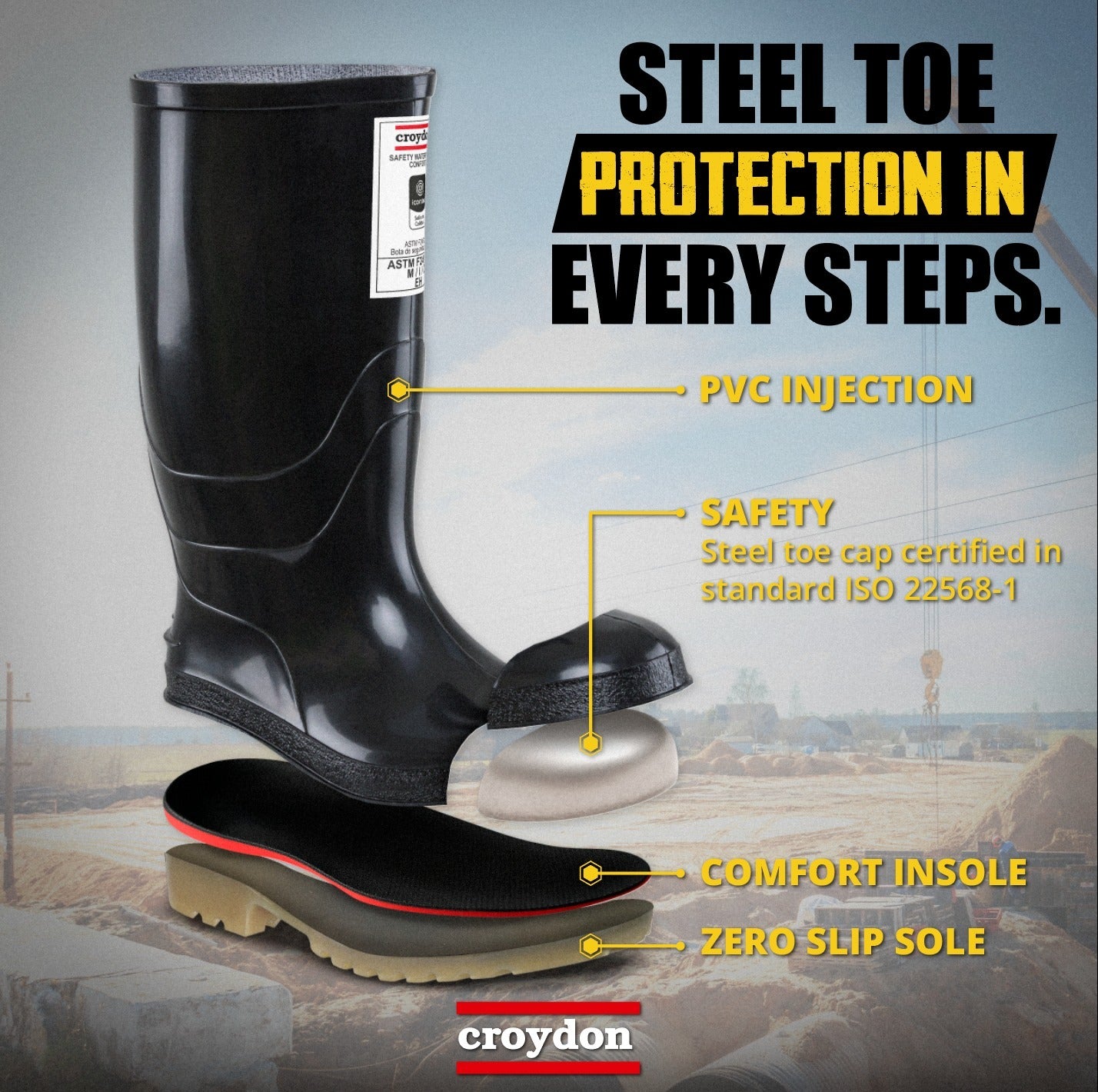
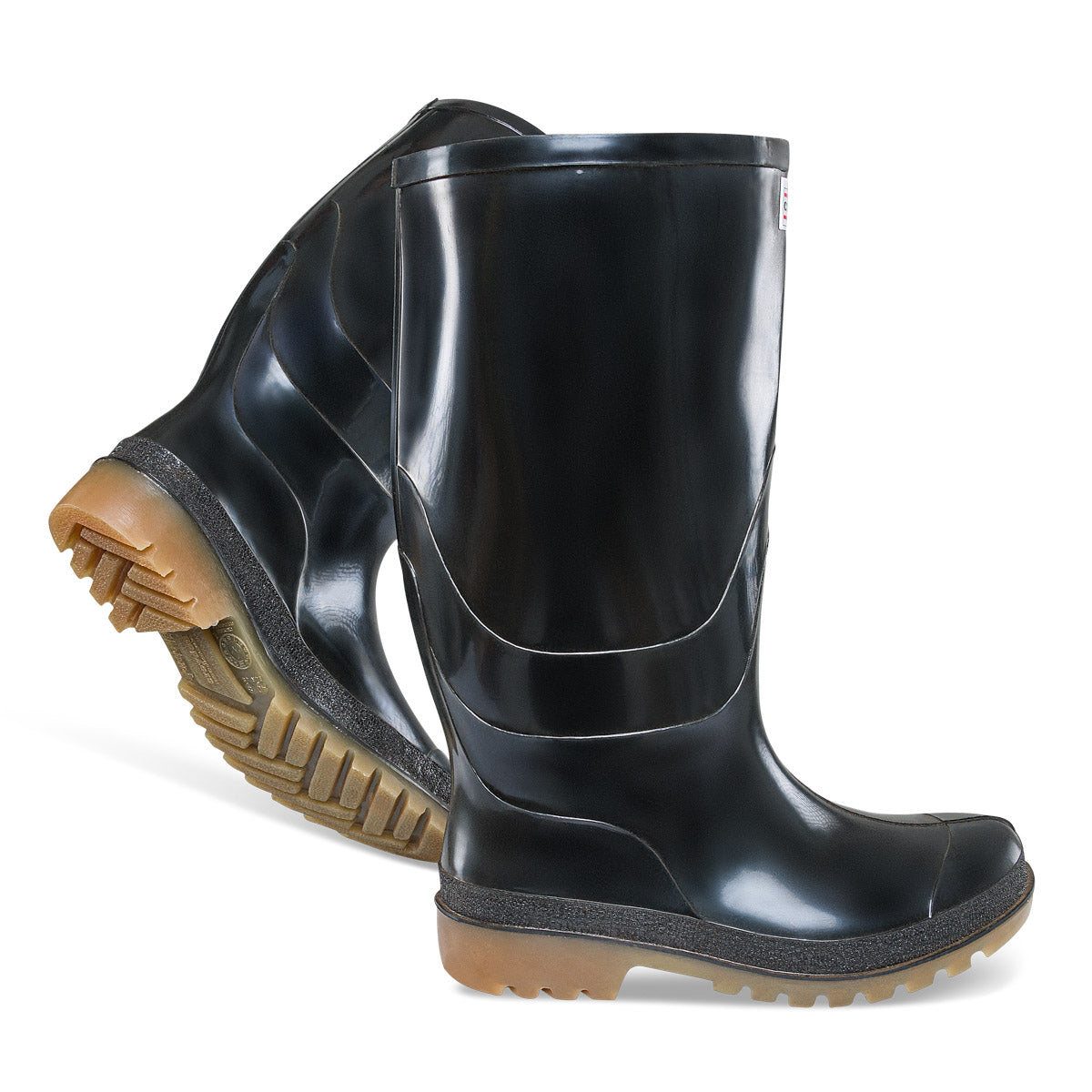
Made from high-density polymers that are lightweight, waterproof, and resistant to oils and chemicals.
-
At Croydon, our PVC formula maintains its shape and color even under constant exposure to sun and water.
Verdict: PVC wins for chemical resistance and lightness, while rubber stands out for its natural flexibility.
2. Waterproofing and Thermal Insulation
Both materials are water-resistant, but the difference is in performance:
-
Rubber boots naturally repel water and work well in muddy or rainy environments.
-
PVC boots from Croydon feature sealed structures and thermal comfort insoles, keeping your feet dry and warm even in low temperatures.
Verdict: PVC offers better insulation and long-term waterproofing, ideal for cold or wet conditions.
3. Durability and Maintenance
-
Rubber boots can dry out or crack over time if not properly maintained.
-
PVC boots are easy to clean, odor-resistant, and hold up against chemicals, detergents, and industrial environments.
👉 Verdict: PVC boots are more durable and low-maintenance for demanding work.
4. Comfort and Ergonomics
Croydon’s Royal Confort Insole technology uses flexible PVC, providing ergonomic support, ventilation channels, and fatigue reduction.
Rubber tends to be heavier and stiffer, which can lead to discomfort during long workdays.
Verdict: PVC delivers greater comfort, flexibility, and all-day support.
5. Cost and Sustainability
Natural rubber is more expensive and limited in supply.
PVC, on the other hand, allows recycling and material reuse, reducing industrial waste when managed responsibly.
Verdict: PVC is more cost-effective and sustainable, especially with Croydon’s responsible manufacturing practices.
Conclusion: PVC Boots Are the Smarter Choice
If you need boots that are waterproof, durable, lightweight, and easy to clean, Croydon’s PVC work boots are your best choice.
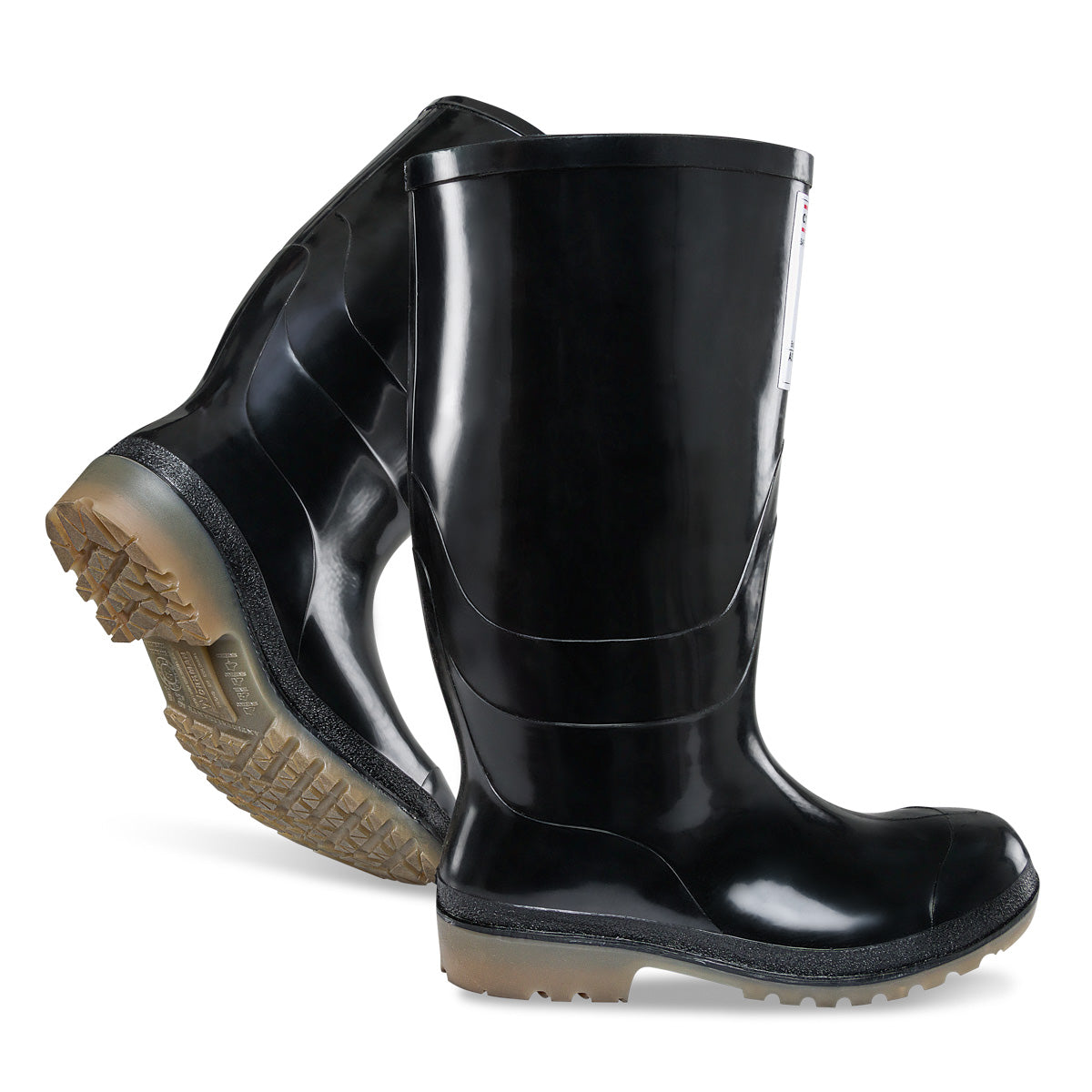
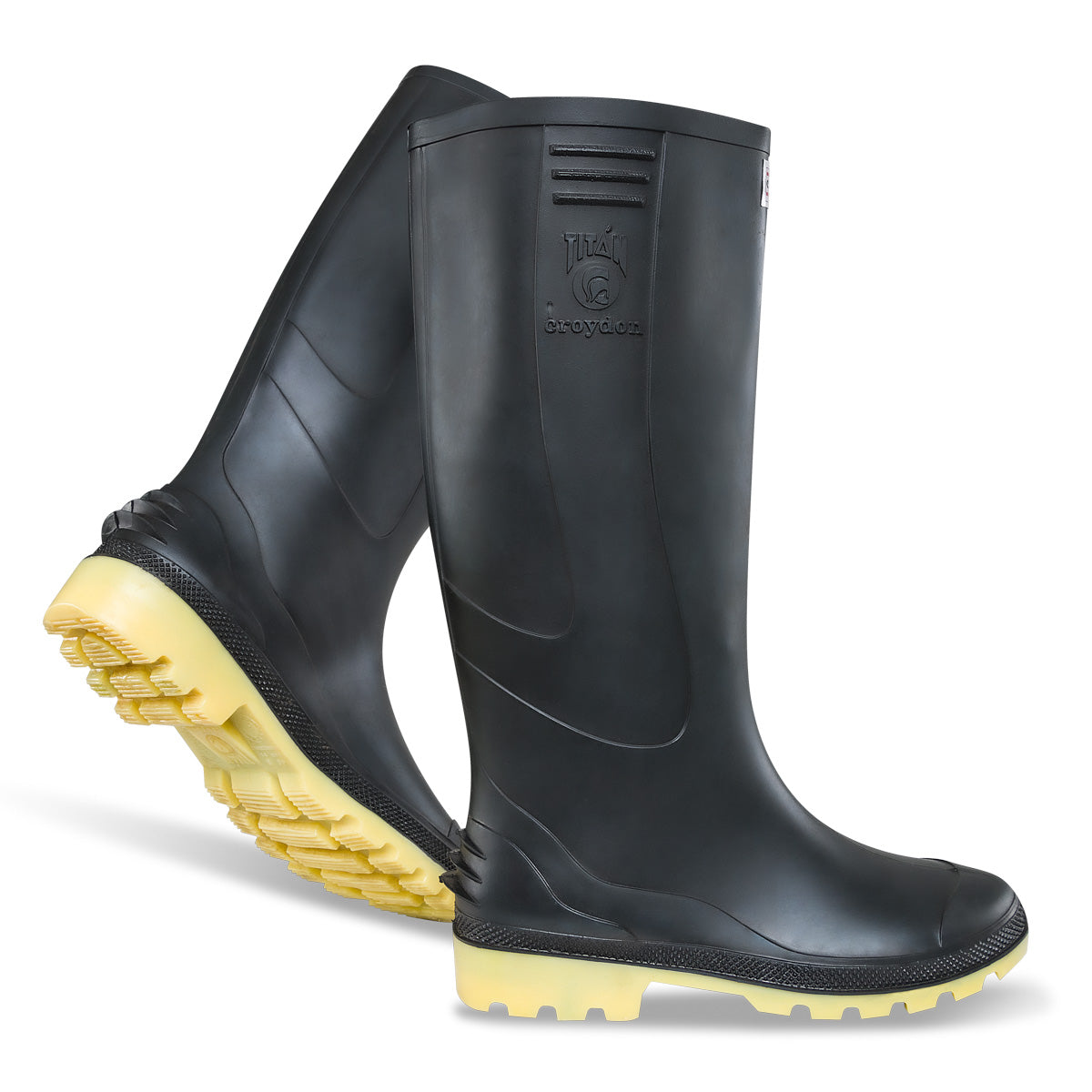
Models like Titán, Macha, and Royal Confort are engineered with advanced technology to deliver comfort, protection, and long-lasting performance in any environment.
Because at Croydon, we don’t just make boots — we build trust, comfort, and safety in every step.
👉 Explore the full collection at CroydonStore.com